Running a marathon under two hours was once considered a physical impossibility. Then, in 2019, Eliud Kipchoge ran 42.195 kilometers in 1:59:40.2—a feat made possible not just by his extraordinary conditioning, but by a revolutionary piece of technology tucked beneath his feet: a pair of shoes lighter than a bar of soap.
These weren’t just any trainers. They were precision-engineered, aerodynamically sculpted, energy-return optimized machines built to slice seconds off every stride. And their weight? Less than the average bar of hotel soap—some models tipping the scales at under 200 grams per shoe.
This isn’t accidental minimalism. It’s the result of a decade-long arms race in footwear, where milliseconds matter and grams are scrutinized like currency. The shoes worn to shatter the marathon record represent a turning point in sports science, blurring the line between human achievement and technological evolution.
The Science of Speed: Why Weight Matters More Than You Think
Every gram counts when you're taking over 30,000 steps in a marathon. A 100-gram increase in shoe weight can raise energy expenditure by roughly 1%. For elite runners, that’s the difference between a record and a near-miss.
But reducing weight isn’t as simple as cutting material. It’s about reimagining propulsion.
Modern marathon record shoes use a trifecta of innovations: - Ultra-light, resilient foam (like Pebax or ZoomX) - Full-length carbon fiber plates - Strategic air chamber systems (e.g., Nike’s forefoot Zoom Air pods)
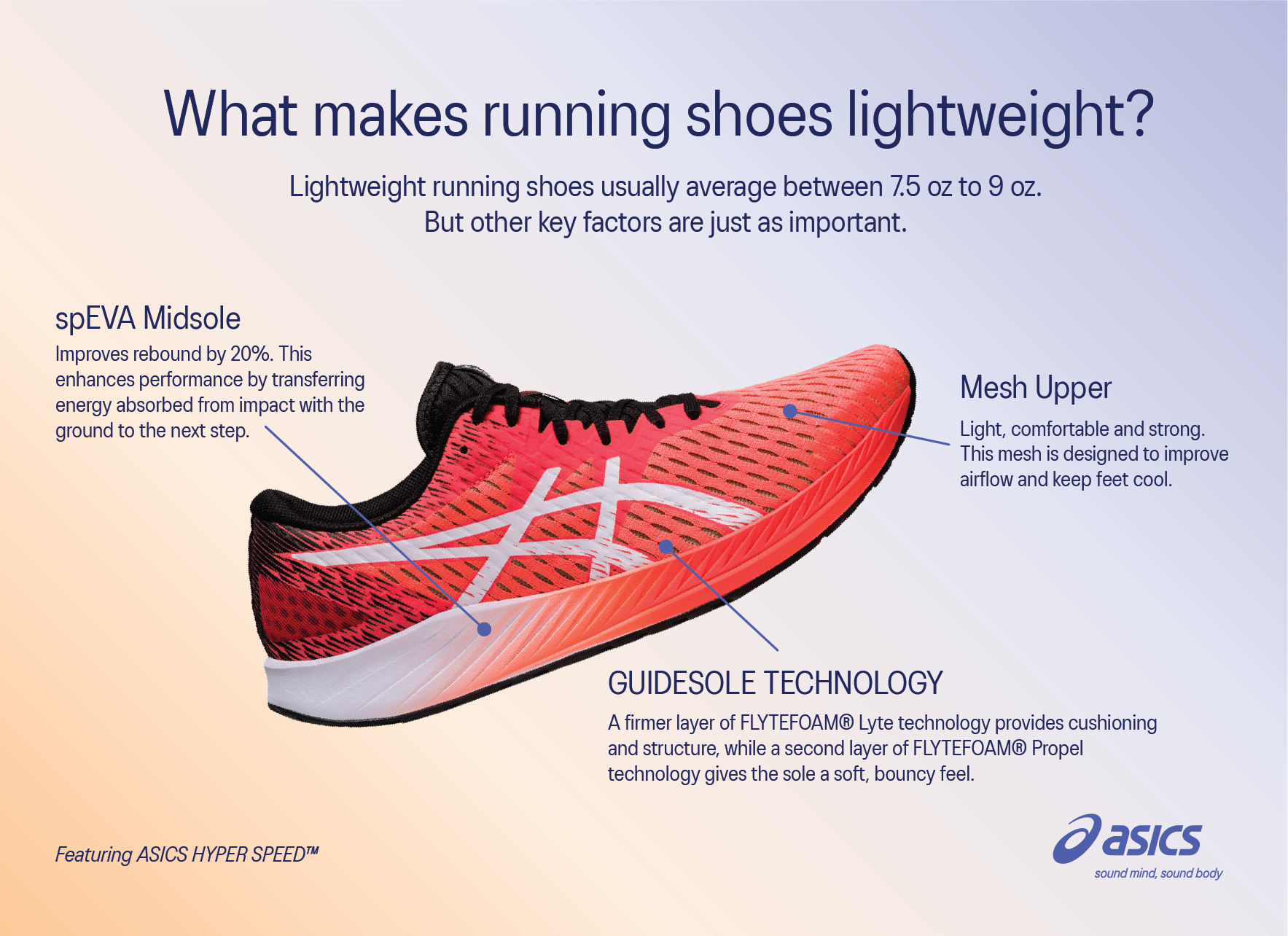
These elements work together to reduce energy loss with each foot strike. The foam compresses and rebounds with incredible efficiency, returning up to 85% of energy—far higher than traditional EVA foam. The carbon plate acts like a spring-loaded lever, guiding the foot through a smooth, propulsive motion.
Lightweight doesn’t mean fragile. In fact, these shoes are tuned—engineered to be both feather-light and structurally robust. The goal isn’t just to cut weight; it’s to make every ounce work harder.
Example in practice: Kipchoge’s 2019 Alphafly prototypes used a tri-star plate system and dual Zoom Air units. The result? A shoe that weighed approximately 180 grams (men’s size 9) while delivering unprecedented energy return—critical for maintaining pace over 26.2 miles.
How "Lighter Than a Bar of Soap" Became a Benchmark
A standard bar of soap weighs about 100–150 grams. So how can a shoe—complete with sole, upper, and cushioning—be lighter than that?
It can’t—at least not as a single unit. But the comparison isn’t literal. When commentators say “lighter than a bar of soap,” they’re often misquoting or oversimplifying. What they mean is lighter than a traditional running shoe felt just a decade ago, when models regularly exceeded 300 grams.
Today’s elite marathon shoes weigh in the 180–220 gram range. Compare that to the 280+ grams of a typical 2010s marathon racer, and the progress is staggering.
But the “bar of soap” line stuck because it’s visceral. It captures the idea of absurd lightness—something so alien to traditional athletic gear that it sounds like science fiction.
Common misconception: Some believe the entire shoe weighs less than soap. It doesn’t. But the midsole alone in certain models can weigh less than 50 grams thanks to expanded Pebax foam—lighter than many everyday objects.
The Shoe That Broke the Record: Inside the Nike Alphafly

When Kipchoge ran sub-two in Vienna, he wore a prototype of what would become the Nike Alphafly NEXT%. It wasn’t legal for official competition at the time—its stacked sole and dual-plate system pushed the boundaries of World Athletics rules.
Still, it changed everything.
- The Alphafly combines three innovations:
- ZoomX foam – 13% more responsive than previous foams
- Dual carbon fiber plates – one rigid, one flexible, working in tandem
- Forefoot air pods – reducing ground contact time and increasing bounce
The result? A shoe that doesn’t just support running—it actively enhances it. Independent lab tests suggest the Alphafly improves running economy by 4–6% compared to older models.
Real-world impact: At the 2023 Chicago Marathon, Kelvin Kiptum wore the Nike Alphafly 3 and set a new official world record: 2:00:35. That’s 34 seconds faster than Kipchoge’s 2022 Berlin time—achieved in part due to refined shoe tech.
But Nike isn’t alone. The Alphafly sparked a global wave of innovation, forcing competitors to rethink their approach.
Beyond Nike: The Global Race to Build the Ultimate Marathon Shoe
Nike’s dominance has been challenged—hard. Brands like Adidas, Saucony, and ASICS have entered the super shoe arms race, each chasing the same goal: maximum energy return, minimum weight.
Here are five elite-level marathon shoes pushing the boundaries of performance:
| Brand | Model | Weight (Men’s Size 9) | Key Technology | Record Use |
|---|---|---|---|---|
| Nike | Alphafly 3 | 190g | ZoomX foam, dual carbon plates, air pods | Yes (Kiptum, 2023) |
| Adidas | Adizero Adios Pro 3 | 209g | Lightstrike Pro foam, EnergyRods 2.0 | Used in sub-2:01 efforts |
| Saucony | Endorphin Pro 3 | 228g | PWRRUN PB foam, carbon plate | Boston, Berlin contenders |
| ASICS | Metaspeed Sky+ | 205g | FF Turbo foam, carbon plate | Tokyo, Chicago elites |
| New Balance | FuelCell RC Elite v2 | 211g | FuelCell foam, carbon plate | Boston Marathon podiums |
Workflow tip for elite runners: Shoe selection isn’t just about weight. It’s about fit, race strategy, and course profile. A 190g shoe might be faster on flat courses like Berlin, but heavier, more stable options may be preferred on undulating terrain.
Limitation: These shoes are optimized for elites. For recreational runners, the stiff plate and minimal heel-to-toe drop (often 8–10mm) can increase injury risk if not paired with proper strength and form.
The Ethics of Tech-Enhanced Running: Are Record Shoes "Fair"?
The rise of super shoes has sparked debate: are we measuring human limits—or engineering limits?
In 2020, World Athletics introduced rules limiting sole thickness (40mm max) and restricting the number of embedded plates. The goal? Prevent an “arms race” that could invalidate decades of records.
Still, the rules allow for aggressive innovation within bounds. The Alphafly 3, for example, uses a 39mm sole—just under the limit.
Perspective from the trenches: > “These shoes don’t run the race for you. They give back energy you’d otherwise lose. If you’re not fit enough to run 2:01, no shoe will get you there.” > — Elite coach Alberto Salazar (prior to ban)
But the data doesn’t lie. Since 2017, over 90% of top marathon performances have been achieved in super shoes. That’s not coincidence—it’s correlation.
And while purists argue for “natural” running, the reality is that technology has always shaped sport: from synthetic tracks to aerodynamic cycling suits.
The question isn’t whether tech belongs—it’s how we define the playing field.
Real Runners, Real Results: Are Super Shoes Worth It?
You’re not Eliud Kipchoge. You’re not trying to break 2:02. But you are trying to beat your PB.
So, do shoes lighter than a bar of soap help everyday runners?
Yes—but with caveats.
Benefits for non-elites: - Improved running economy (you use less energy at the same pace) - Reduced fatigue over long distances - Psychological boost from wearing “pro-level” gear
Risks to consider: - Higher cost (often $250+) - Shorter lifespan (400–500 miles vs. 800+ for training shoes) - Potential for overuse injuries due to aggressive ramp and stiffness
Practical example: A recreational runner averaging 8:00/mile pace might save 2–3 minutes in a marathon just by switching from an older racing flat to a modern super shoe—assuming proper training and adaptation.
But these shoes aren’t magic. They amplify fitness—they don’t replace it.
The Future of Marathon Footwear: What’s Next
After “Lighter Than Soap”?
If today’s shoes are lighter than soap, what comes next?
The next frontier isn’t just weight reduction—it’s personalization.
Emerging trends include: - 3D-printed midsoles tuned to individual biomechanics - AI-driven fit systems using gait analysis - Bio-responsive materials that adapt to temperature and fatigue
Nike, Adidas, and On are experimenting with generative design and machine learning to create shoes that are not only lighter but smarter.
Imagine a shoe that stiffens the plate when you’re fatigued, or one that adjusts cushioning based on terrain. That’s not sci-fi—it’s in prototyping labs today.
And weight? Future models may dip below 170 grams without sacrificing durability—thanks to nano-engineered foams and ultra-thin, tear-resistant uppers.
Final Word: Shoes Are Tools, Not Shortcuts
The shoes worn to shatter the marathon record—lighter than a bar of soap, filled with space-age materials—are marvels of engineering. They’ve redefined what’s possible in long-distance running.
But they’re not the reason Kipchoge or Kiptum succeeded. Those records were built on decades of training, mental resilience, and meticulous preparation. The shoes simply removed one barrier.
For everyday runners, the lesson is clear: invest in quality gear, but don’t outsource your effort. Use technology to enhance your potential—not to mask a lack of preparation.
If you’re chasing a personal best, try a super shoe on race day. Train in stability, race in speed. And remember: the lightest thing about your run should never be your effort.
FAQ
Are shoes lighter than a bar of soap real? Not literally—most weigh 180–220 grams, while a bar of soap is 100–150g. The phrase refers to how dramatically lighter they are than older racing shoes.
What marathon shoes does Eliud Kipchoge wear? He wears modified versions of the Nike Alphafly, often with prototype-level tech not available to the public.
Can normal runners use record-breaking marathon shoes? Yes, but they require good running form and strength. Beginners may benefit more from stability shoes.
Why are super shoes so expensive? They use costly materials like Pebax foam and carbon fiber, and involve extensive R&D.
Do lightweight marathon shoes last long? Most last 400–500 miles. They’re designed for race day, not daily training.
Are carbon plate shoes banned? No, but World Athletics limits sole thickness and plate count to maintain fairness.
Which brand holds the most marathon records? Nike, primarily through the Alphafly and Vaporfly lines, dominates recent elite marathon performances.
FAQ
What should you look for in Lighter Than a Bar of Soap: The Shoes That Broke the Marathon Record? Focus on relevance, practical value, and how well the solution matches real user intent.
Is Lighter Than a Bar of Soap: The Shoes That Broke the Marathon Record suitable for beginners? That depends on the workflow, but a clear step-by-step approach usually makes it easier to start.
How do you compare options around Lighter Than a Bar of Soap: The Shoes That Broke the Marathon Record? Compare features, trust signals, limitations, pricing, and ease of implementation.
What mistakes should you avoid? Avoid generic choices, weak validation, and decisions based only on marketing claims.
What is the next best step? Shortlist the most relevant options, validate them quickly, and refine from real-world results.