Scott Kirby, CEO of United Airlines, has publicly confirmed what many in the aviation world suspected: he personally approached American Airlines about a potential merger. In a rare and candid disclosure, Kirby admitted that he initiated discussions with American’s leadership, marking one of the most significant revelations in airline industry strategy in over a decade.
This isn’t speculation. It’s a strategic admission from a top executive with a track record of transformation at United. The confirmation reshapes how investors, competitors, and travelers should interpret the future of U.S. aviation.
But why now? What are the hurdles? And what happens if the merger never materializes?
Let’s dissect the implications behind this high-stakes overture.
Why United’s CEO Made the Move
The airline industry thrives on scale. The bigger the network, the stronger the pricing power, the deeper the cost efficiencies. United and American are the second- and third-largest carriers in the U.S. by fleet size and available seat miles—only Delta edges them out.
Kirby, known for his analytical rigor and operational background, sees a clear opportunity: consolidation could reduce overlapping routes, streamline labor contracts, and strengthen international positioning.
Consider this: - United and American together operate over 1,200 aircraft. - They serve more than 400 destinations globally. - Their combined domestic network would dominate key hubs like Chicago, Dallas, Washington-D.C., and Los Angeles.
From a business logic standpoint, it makes sense. But business logic doesn’t always survive regulatory scrutiny.
Regulatory Hurdles Are Monumental
Any merger between United and American would face intense antitrust review—likely from both the Department of Justice (DOJ) and the Federal Aviation Administration (FAA).
The last major U.S. airline merger was American Airlines’ acquisition of US Airways in 2013. That deal was approved but only after significant concessions, including slot divestitures at key airports like Reagan National.
A United-American merger would be far more complex: - Market concentration: Combined, they’d control over 40% of domestic capacity. - Hub overlaps: Chicago (O’Hare), Washington-Dulles, Houston, and Phoenix all have dual presence. - Pricing concerns: Regulators would scrutinize whether reduced competition leads to higher fares.
Historically, the DOJ has blocked mergers it deems anti-competitive. In 2011, it sued to stop JetBlue’s acquisition of Spirit Airlines, arguing it would lead to higher prices. A United-American merger would face even steeper opposition.
Kirby is no stranger to regulatory battles—he helped orchestrate the merger of Continental and United in 2010—but even he acknowledged the political and legal challenges make a full merger “highly unlikely.”
Why Approach If Approval Is Unlikely?

So why go public with an approach that seems destined to fail?
There are three strategic reasons:
1. Positioning United as an Industry Consolidator By floating the merger, Kirby signals United’s ambition to lead industry transformation. This shapes investor perception—positioning United as forward-thinking and aggressive in pursuit of scale.
2. Testing the Waters for Regulatory Tolerance Public discussion acts as a soft probe. The backlash (or lack thereof) from lawmakers, unions, and consumer groups gives insight into how much resistance a formal bid might face.
3. Pushing American to Consider Alternatives Even if a full merger fails, the conversation could lead to deeper operational cooperation—like expanded joint ventures, shared maintenance facilities, or coordinated scheduling.
This mirrors the relationship United has with Air Canada and Lufthansa under transatlantic and transpacific joint ventures. A tighter U.S. alliance with American could yield similar benefits without triggering antitrust alarms.
What Travelers Should Watch For Passengers rarely benefit immediately from merger speculation. But over time, such moves can reshape the travel experience—both positively and negatively.
Potential Benefits
- More seamless connections: A merged network could offer smoother transfers across a broader domestic footprint.
- Enhanced loyalty options: United MileagePlus and AAdvantage members might see cross-credit or redemption opportunities.
- Better international access: Combined long-haul fleets could support new routes to underserved markets.
Potential Downsides
- Reduced competition = higher fares: On overlapping routes, fewer choices often mean higher prices.
- Service disruptions: Integration could lead to system outages, staffing issues, and loyalty program instability.
- Hub neglect: Smaller cities served by both carriers may lose service as routes are consolidated.
For example, if both airlines fly from Pittsburgh to Chicago and New York, a merger could eliminate one leg—hurting connectivity for Pittsburgh travelers despite cost savings for the airline.
American Airlines’ Response: Silence Speaks Volumes
American Airlines has not confirmed or denied Kirby’s claim. But internal signals suggest skepticism.
CEO Robert Isom has emphasized organic growth and operational reliability over M&A. In recent earnings calls, he’s highlighted investments in fleet upgrades and customer experience—not merger strategy.
Moreover, American’s union leadership has historically opposed consolidation, citing job security and contract integrity. A merger with United could trigger complex negotiations with pilot, flight attendant, and ground crew unions—each with different contracts and seniority structures.
Without American’s cooperation, the merger goes nowhere. And right now, American isn’t showing interest.
The Bigger Picture: Airlines Are Primed for Change
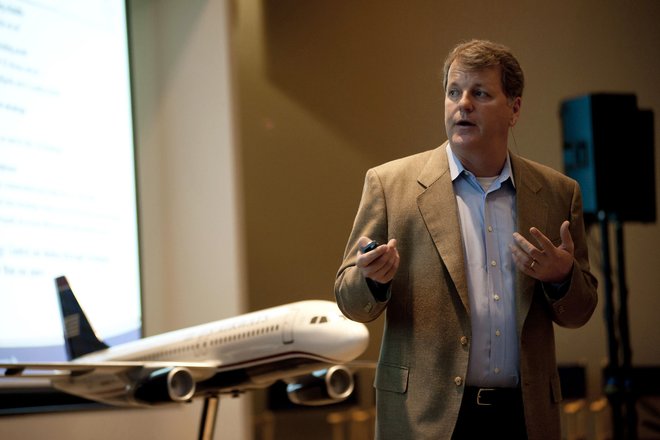
The aviation industry is at an inflection point. Post-pandemic recovery has stabilized, but challenges remain: - Pilot shortages - Aging fleets - Rising fuel costs - Intensifying international competition from Gulf carriers
In this environment, scale matters. United’s move isn’t just about American—it’s about preparing for a future where only the largest, most integrated carriers can compete globally.
Delta has already leveraged its size to dominate the transatlantic market. United has responded with strategic partnerships and fleet modernization. A merger with American would be the ultimate escalation.
But there are alternatives.
Alternatives to Full Merger: Strategic Alliances
Given the regulatory and cultural barriers, a full merger may never happen. But that doesn’t mean collaboration is off the table.
United and American could explore:
- Domestic joint ventures (similar to United-Delta on transborder U.S.-Canada routes)
- Shared maintenance and training facilities to cut costs
- Interline loyalty agreements, allowing easier mileage transfers
- Coordinated scheduling to reduce oversupply on competitive routes
Such arrangements deliver many merger benefits without requiring DOJ approval. They’re also faster to implement and easier to unwind if they fail.
For instance, United and American could coordinate departures from Denver and Phoenix to avoid undercutting each other—effectively behaving like a merged entity without the legal complexity.
What This Means for Investors and Employees
Investors should view Kirby’s announcement as a signal of long-term strategy—not an imminent deal. United’s stock may see short-term volatility, but the move strengthens its reputation as an industry innovator.
For employees, the message is murkier. Mergers bring job redundancies, especially in overlapping roles like customer service, operations, and corporate functions. However, growth through integration can also create new opportunities—particularly in technical and international divisions.
Unions will play a critical role. The Air Line Pilots Association (ALPA) and Association of Flight Attendants (AFA) will demand ironclad job protections and seniority integration plans before endorsing any deal.
The Bottom Line: A Strategic Feint, Not a Guarantee
Scott Kirby’s confirmation that he approached American Airlines wasn’t a press release about a pending merger. It was a calculated move to influence industry dynamics.
The chances of a full United-American merger remain slim. Regulatory opposition, operational complexity, and cultural misalignment are too great.
But the conversation itself has value. It pressures American to respond, encourages investors to think bigger, and positions United as a leader in shaping aviation’s next chapter.
For travelers, the takeaway is simple: monitor route changes, fare trends, and loyalty program updates. Even if the merger doesn’t happen, the ripple effects will shape how you book flights in the years to come.
Stay informed. Watch for cooperation, not just consolidation. And remember: in aviation, sometimes the most impactful moves are the ones that never actually close.
Frequently Asked Questions
Did United Airlines and American Airlines agree to merge? No. United’s CEO confirmed he initiated talks, but American has not agreed to a merger, and no formal deal is underway.
Why would United want to merge with American Airlines? To increase scale, reduce costs, eliminate route overlap, and strengthen international competitiveness.
Would a United-American merger raise airfares? Possibly. Reduced competition on overlapping routes could lead to higher prices, which is a major regulatory concern.
Has the U.S. government approved any major airline mergers before? Yes. The American-US Airways merger was approved in 2013, but only after significant concessions.
Can United and American cooperate without merging? Yes. They could establish joint ventures, shared services, or loyalty partnerships without a full merger.
How would a merger affect frequent flyers? It could expand redemption options but may also devalue miles due to program integration.
Are employees at risk if the airlines merge? Some roles, especially in overlapping departments, could be eliminated. Union negotiations would determine job protections.
FAQ
What should you look for in United Airlines CEO Confirms Merger Talks with American? Focus on relevance, practical value, and how well the solution matches real user intent.
Is United Airlines CEO Confirms Merger Talks with American suitable for beginners? That depends on the workflow, but a clear step-by-step approach usually makes it easier to start.
How do you compare options around United Airlines CEO Confirms Merger Talks with American? Compare features, trust signals, limitations, pricing, and ease of implementation.
What mistakes should you avoid? Avoid generic choices, weak validation, and decisions based only on marketing claims.
What is the next best step? Shortlist the most relevant options, validate them quickly, and refine from real-world results.